UX case study

Reducing procurement decision time

Project: Sourcify

Role: Product Designer

Timeline: 6 weeks

Summary

Sourcify simplifies procurement by making request flows simple, scannable, and trustworthy. The design focus was on clarity, speed, and decision support.

Problem

  • Procurement flows are slow and confusing.
  • Stakeholders struggle to compare bids quickly.
  • Templates are inconsistent and require manual clean up.
  • Small teams lack clear visuals to make quick decisions.

Target users

  • Procurement managers at universities and hospitals.
  • Operations leads at construction firms.
  • Small procurement teams with limited research capacity.

Hypothesis

If we present procurement data as clear, scannable interfaces and reduce cognitive load then teams will make faster, more confident decisions.

Design solution

Core idea

Turn complex procurement tasks into short, guided microflows that surface the right data at the right time.
Design priorities

  • Visual clarity: Use strong hierarchy, readable type, and consistent spacing so users scan and compare fast.
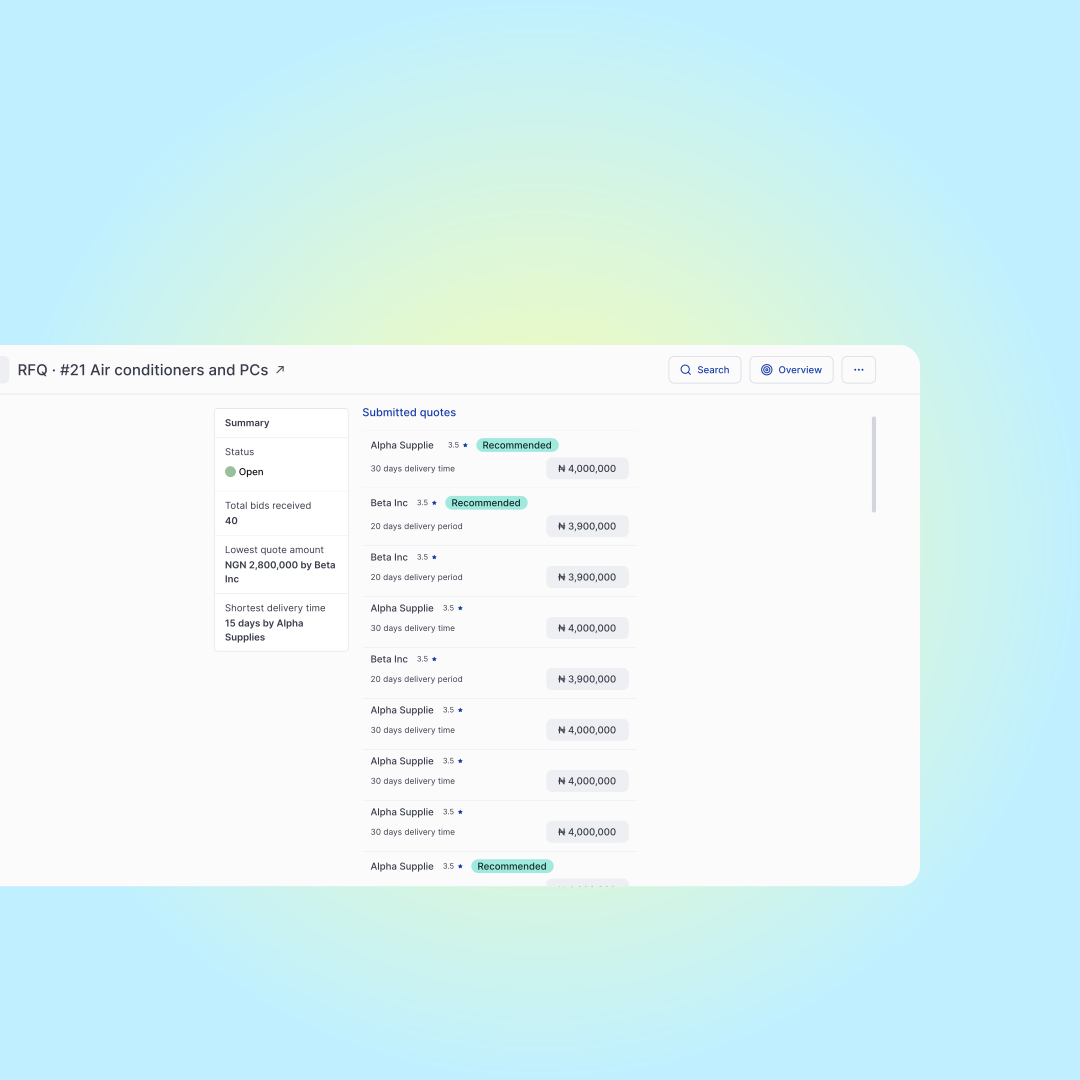
  • Actionable comparison: Show bids side by side with clear metrics and a highlighted winner suggestion.
  • Form simplicity: Reduce fields to essentials and use contextual help to prevent mistakes.
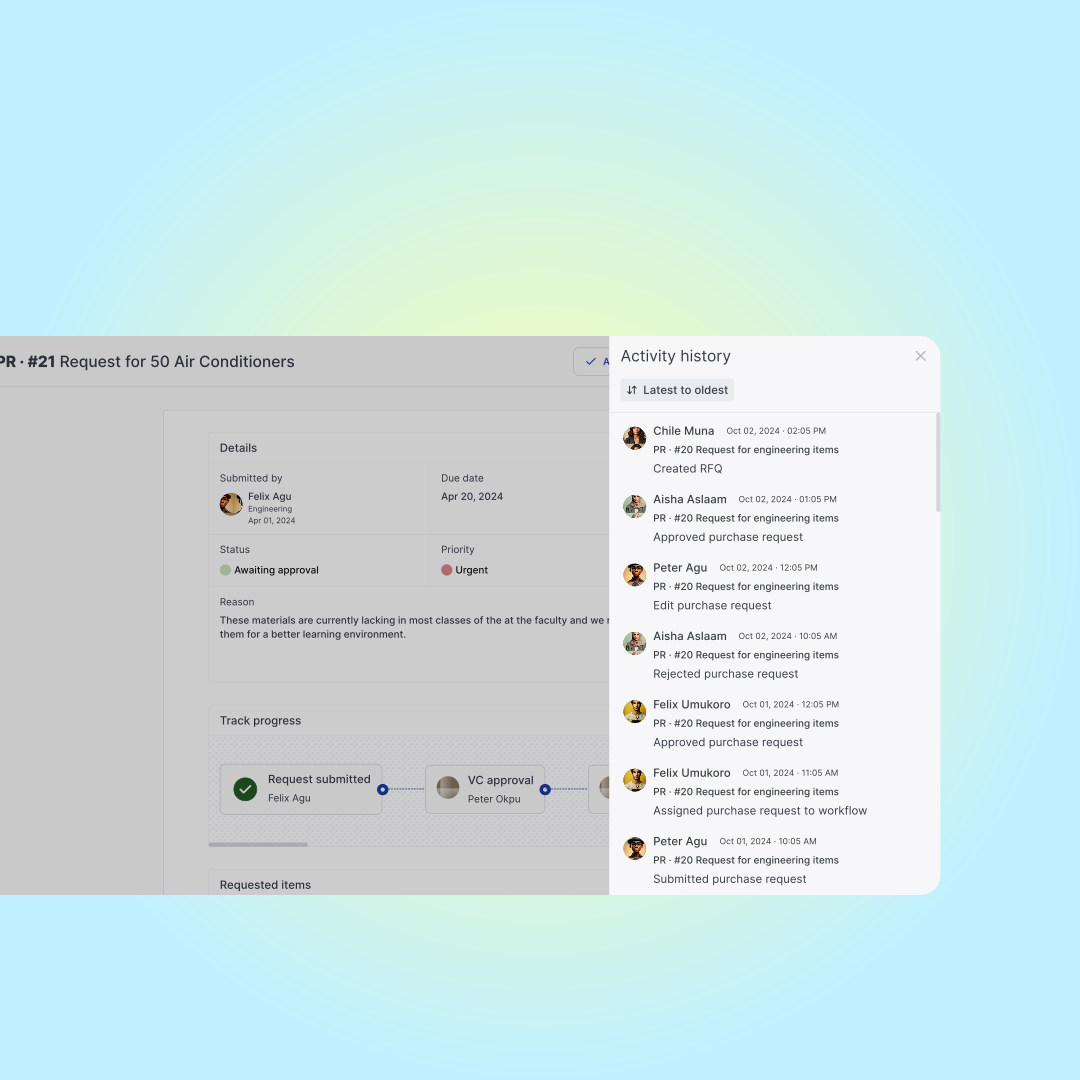
  • Trust and traceability: Show source, timestamps, and screenshots so stakeholders can audit decisions.

Key design capabilities

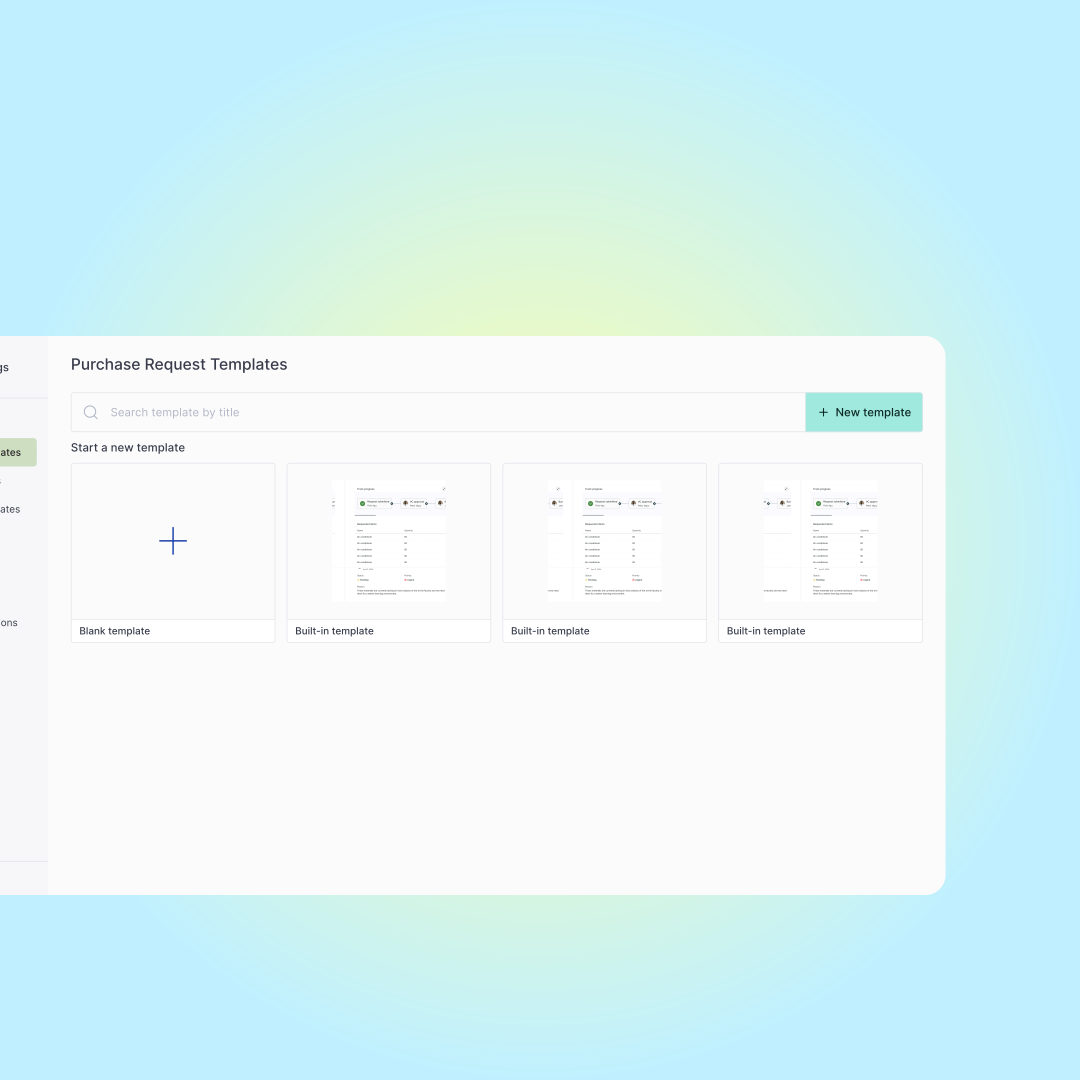
  • Persona driven templates: Prebuilt request templates tailored to common procurement categories. Templates reduce friction and maintain consistency.
    Persona driven templates
  • Comparison view: Column cards with price, lead time, and rating for easy comparison with recommendations highlighted.
    Comparison grid
  • Visual timeline view: Simple timeline that shows request, bids, decision, and delivery milestones for audits and reporting.
    Visual timeline view

UX flows and highlights

  • Create request: Short wizard that asks for essentials only. Inline examples reduce errors.
  • Run supplier invite: Progress strip shows invited vendors and response rates. Live counts reduce uncertainty.
  • Compare bids: Side by side view with the most important metric in the first column. Suggested winner is visually emphasized but not forced.
  • Decide and document: Single confirmation screen shows chosen bid, reason tags, and export options for audit.

Expected impact and KPIs

  • Time to decision: Reduce from days to hours for standard requests.
  • Request completion rate: Increase percentage of requests completed without follow up.
  • Comparison clarity: Measured via quick user tests where participants find the best bid faster.
  • Audit readiness: Fewer manual steps to produce an audit trail.

Conclusion

Designing Sourcify reinforced the value of reducing cognitive load through clear hierarchy and guided microflows. The result is a system that speeds up procurement decisions while improving audit readiness and team alignment.

What I learned

  • Start with narrow templates to reduce variability.
  • Visual scoring helps align stakeholders quickly.
  • Small microcopy changes reduce a lot of support questions.
  • Treat agent or automation suggestions as recommendations, not final answers.

See more

Increasing adoption of a unique feature

AllPeeP

Reducing store visits with instant price discovery

Cartna

Want to work with me?

I'd love to hear from you!

Work with me

Design desk with planning sheets and color swatches
Elvis Preye Kerebi's Portfolio